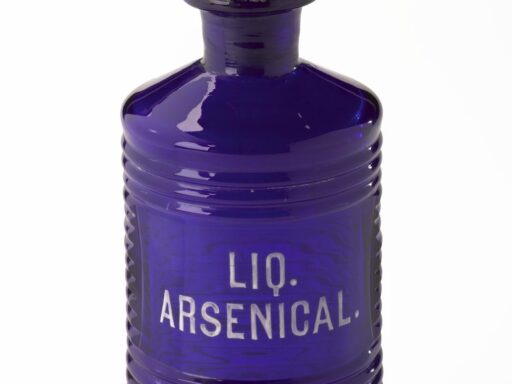
Arsenic-laced omelettes. Chloral hydrate in the brandy. Cyanide in a wound dressing. Poisons are standard fare in classic ‘whodunits’, but just how easy was it to buy a lethal dose in the early twentieth century?
Arsenic-laced omelettes. Chloral hydrate in the brandy. Cyanide in a wound dressing. Poisons are standard fare in classic ‘whodunits’, but just how easy was it to buy a lethal dose in the early twentieth century?
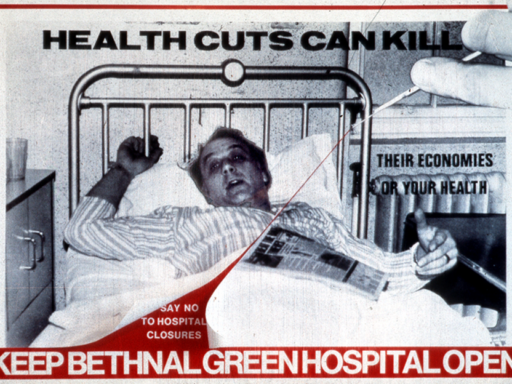
Since its creation, the National Health Service (NHS) has inspired deep-rooted passion. An overwhelming majority of the UK population, across different social and economic backgrounds, support its founding principle that the NHS should be free of charge when you need to use it. In this blog post series, Associate Curator Gabrielle Bryan-Quamina explores a unique series of protest posters held in the Science Museum Group Collection and speaks with artists Loraine Leeson and Peter Dunn about the origins of the East London Health Project.
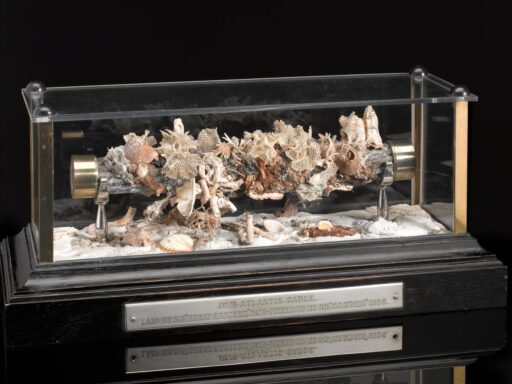
Former assistant curator trainee Jasmin Taylor explores how the history and unheard voices behind the undersea telegraph cable are replicated in modern communication technology.
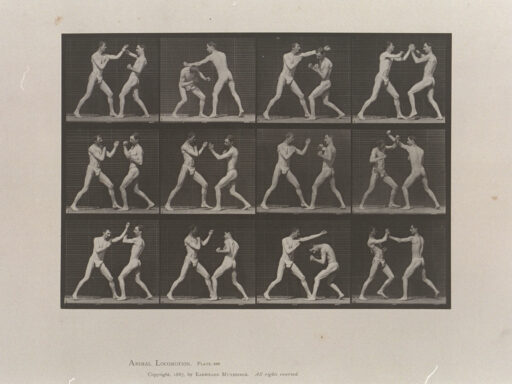
Where does the power in a punch come from? How did records in sport become something to be broken? How was the idea of the rematch invented? Scott Anthony, Deputy Head of Research and Public History, steps into the ring to explore the sweet science of boxing.

The first behind-the-scenes public tours at the Science and Innovation Park began today, Friday 11 October, allowing visitors to get up close to the Science Museum Group’s world-class collection of objects from science, technology, engineering, and medicine.
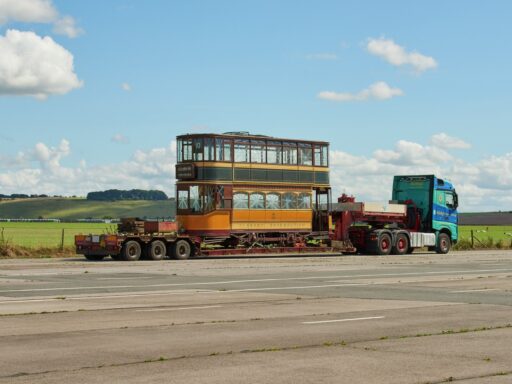
Some of our largest objects have been moved into their new home, a new collection management facility at the Science and Innovation Park in Wiltshire. In 2024, the facility will open for public tours, school and research visits, enabling people to explore much more of the collection than ever before.
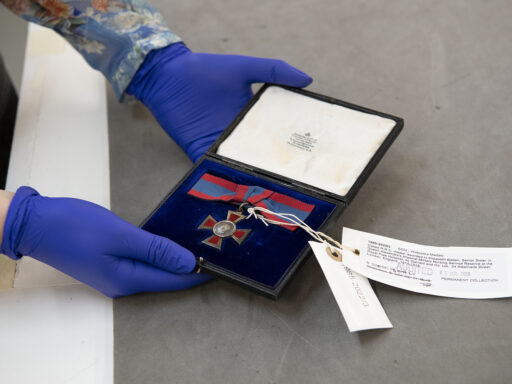
The Royal Red Cross Medal, awarded to Elizabeth Batten, is one of the last objects leaving Blythe House for its new home at the National Collections Centre, part of the Science and Innovation Park in Wiltshire.
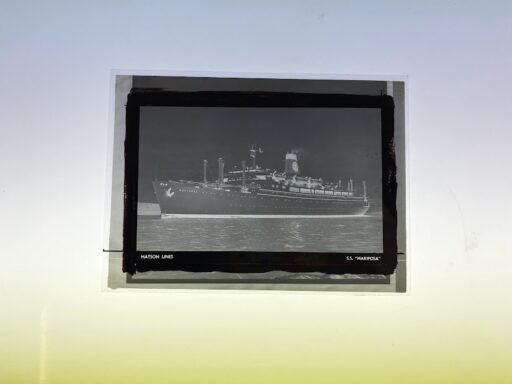
Inspired by World Photography Day, Associate Curator Rebecca Raven discusses studying and moving many thousands of photographic records to their new home.
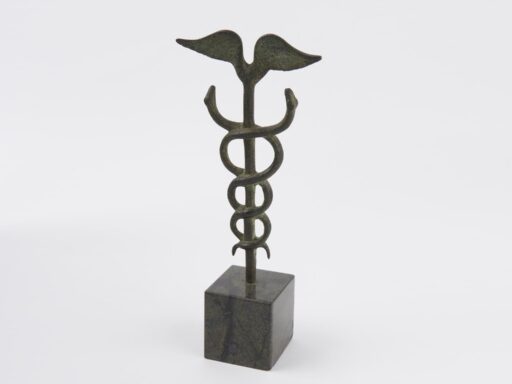
A common emblem for medicine depicts one or two snakes coiling up a staff. This symbol, often referred to as a ‘caduceus’, has been frequently used as a pharmacy or healthcare company crest. However, the term ‘caduceus’ has a distinct meaning and historically has been confused with the real first medical symbol: the ‘Rod of Asclepius’.
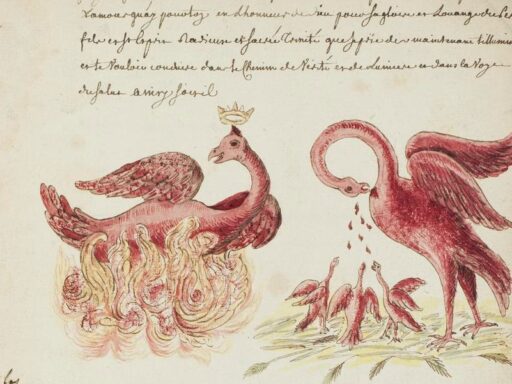
Assistant Curator Katie Crowson highlights the figures represented among the Science Museum Group collection that pursued ‘hidden’ knowledge in Europe during the Renaissance.
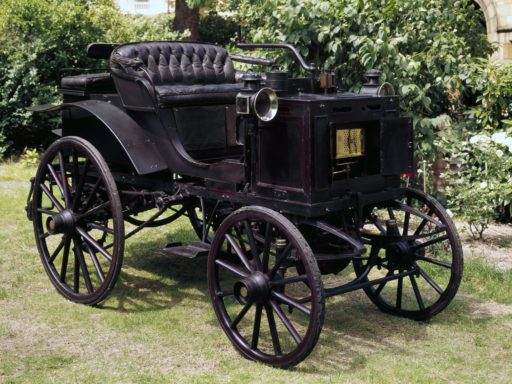
This National Road Safety Week (14 – 20 November 2022) William Sims, Associate Curator at the National Collections Centre, explores the origins of the Transport Road and Research Laboratory and the work they carry out to make our roads safe.
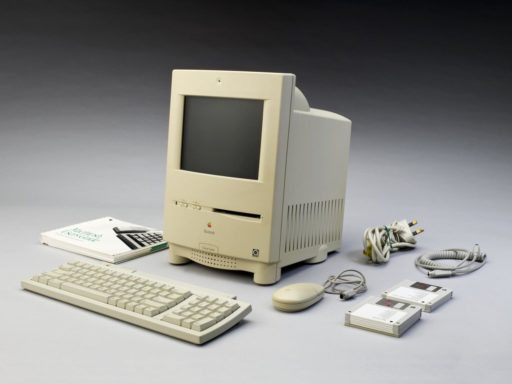
Marking Halloween and the tradition of bobbing for apples, Assistant Curator Laura Büllesbach searched for the juiciest apples in our collections and uncovered some unexpected stories.