To celebrate St David’s Day, the national day of Wales, Curatorial Lead Laura Humphreys looks at some of the Welsh stories of science and innovation in the Science Museum Group Collection.
To celebrate St David’s Day, the national day of Wales, Curatorial Lead Laura Humphreys looks at some of the Welsh stories of science and innovation in the Science Museum Group Collection.
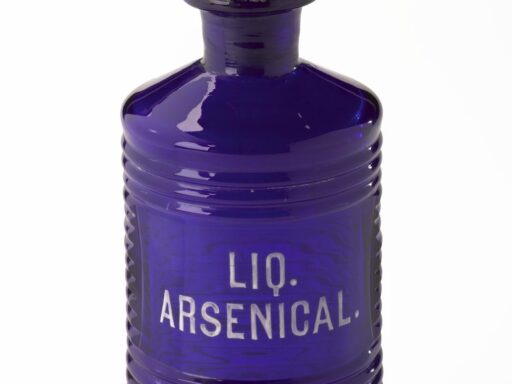
Arsenic-laced omelettes. Chloral hydrate in the brandy. Cyanide in a wound dressing. Poisons are standard fare in classic ‘whodunits’, but just how easy was it to buy a lethal dose in the early twentieth century?
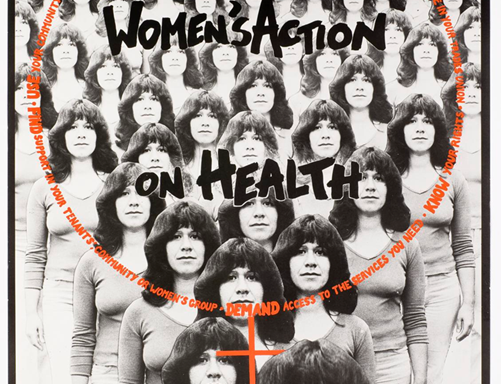
In this blog post series, Associate Curator Gabrielle Bryan-Quamina explores a unique series of posters created for the East London Health Project. In this post, Gabrielle speaks to artist Loraine Leeson about the ‘Women in Health’ posters she created for the East London Health Project and explores the history of the Women’s Health Movement in the UK.
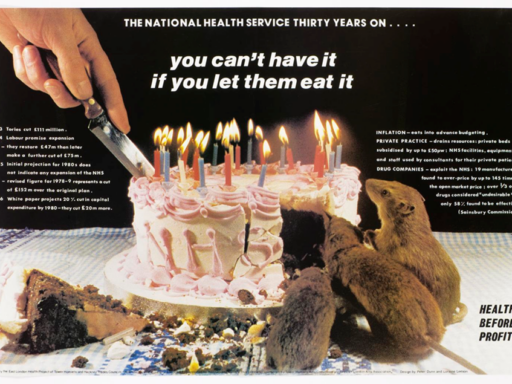
In this blog post series, Associate Curator Gabrielle Bryan-Quamina explores a unique series of protest posters held in the Science Museum Group Collection and speaks with artists Loraine Leeson and Peter Dunn about the East London Health Project.
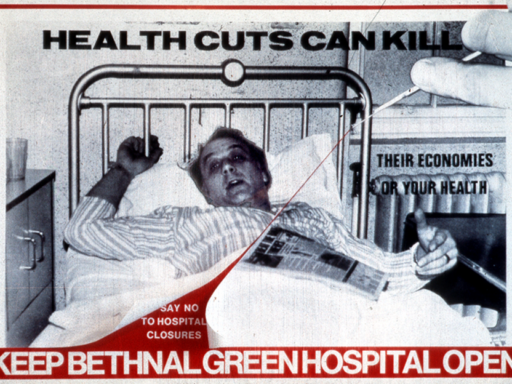
Since its creation, the National Health Service (NHS) has inspired deep-rooted passion. An overwhelming majority of the UK population, across different social and economic backgrounds, support its founding principle that the NHS should be free of charge when you need to use it. In this blog post series, Associate Curator Gabrielle Bryan-Quamina explores a unique series of protest posters held in the Science Museum Group Collection and speaks with artists Loraine Leeson and Peter Dunn about the origins of the East London Health Project.
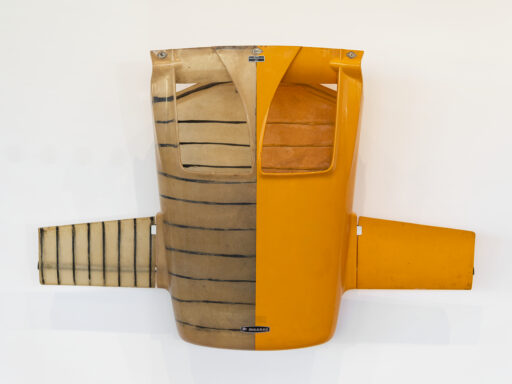
After McLaren‘s double victory this year in Formula 1, Curatorial Lead Laura Humphreys looks at their history of innovation in materials science through the collection.
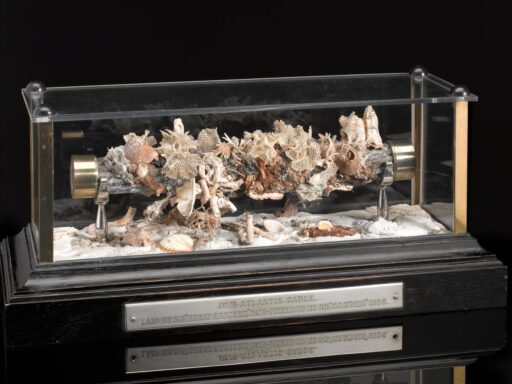
Former assistant curator trainee Jasmin Taylor explores how the history and unheard voices behind the undersea telegraph cable are replicated in modern communication technology.
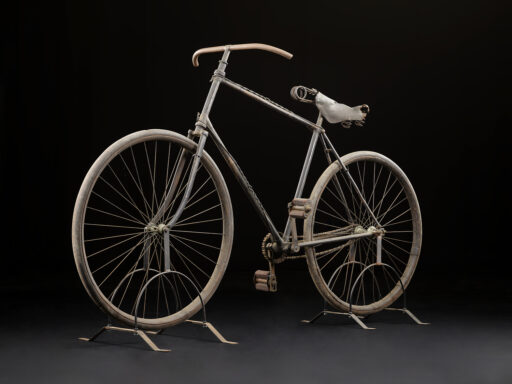
For National Cycle Week, Charlie Southerton takes a look at some fascinating bicycles in the Science Museum Group Collection.
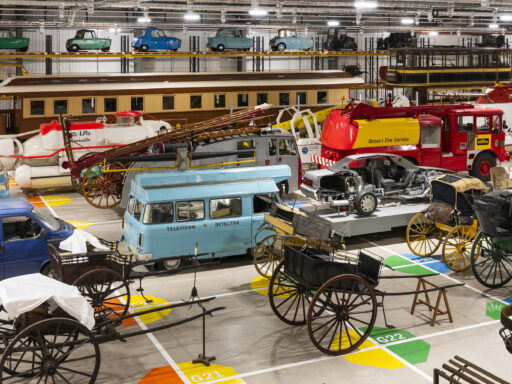
Tim Boon reflects on a major three-year research project, Congruence Engine, that has been exploring how museum collections across the country can be linked via their digital records.
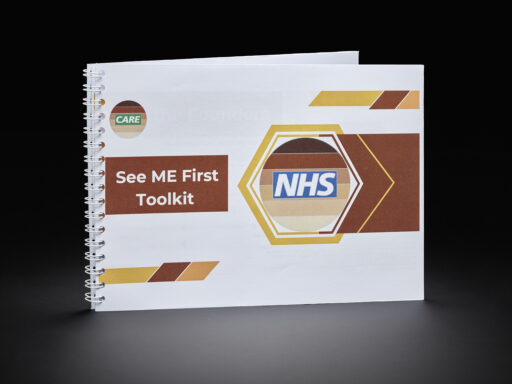
Organisations all over the world are looking at their workplaces and public services to ensure they are open and accessible to everyone. Curator in Clinical and Research Medicine Selina Hurley looks into how sometimes just three people can start something which will make a difference, even in an organisation as big as the NHS.
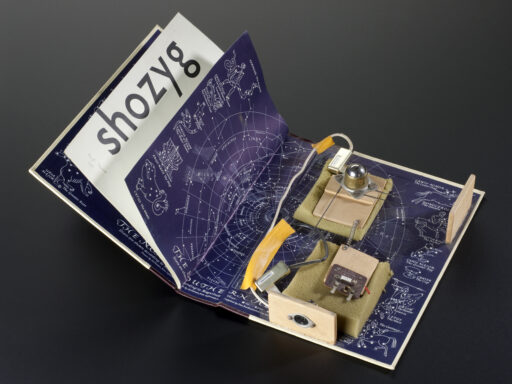
Curated by composers Gavin Bryars, Shiva Feshareki, and Sarah Angliss, a musical performance, Time Loops, is taking place at the Science Museum and National Science and Media Museum. Tim Boon, Head of Research and Public History at the Science Museum Group, and Ed McKeon, Principal Investigator for Time Loops, explain more.
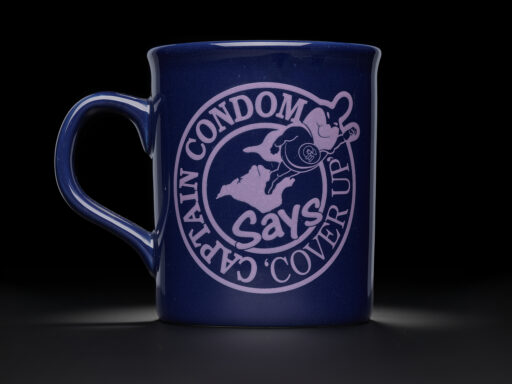
In the 1990s, the Isle of Wight launched an HIV prevention campaign that came with beer mats, stickers and mugs adorned with a new superhero: Captain Condom.