
The Science Museum Group is celebrating National Poetry Day for a second year (6 October 2022).
The Science Museum Group is celebrating National Poetry Day for a second year (6 October 2022).

In this blog post SMG Conservator Kirsten Strachan reflects on the theme for Dyslexia Week 2022 and her own personal experiences.
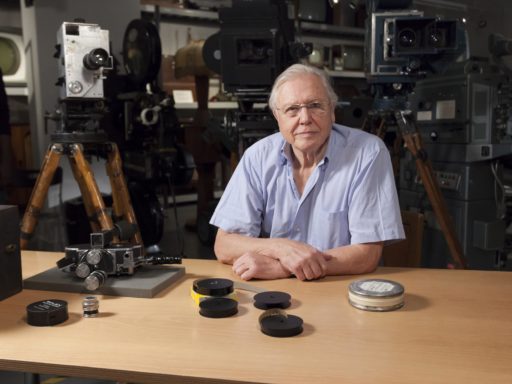
Sir David Attenborough has been on television for seven decades. Roger Highfield, Science Director, talks to the world’s most respected wildlife broadcaster about the huge changes he has witnessed since he started out with the BBC, and what to expect next.

As the costs of fossil energy have skyrocketed since Russia’s invasion of Ukraine, some have claimed that going green is too expensive. Roger Highfield, Science Director, reports on an recently published study from Oxford University that suggests a fast transition to clean energy will cost less than a slow or no transition.
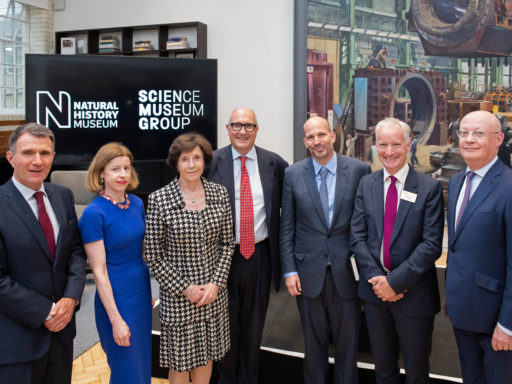
The Natural History Museum and Science Museum jointly hosted a meeting of experts yesterday (5 September 2022) to discuss ecosystem destruction and the climate emergency. Roger Highfield, Science Director at the Science Museum, and Tim Littlewood, Executive Director of Science at the Natural History Museum, reflect on what was discussed.

Assistant Curator Katie McNab looks into “golden blood” and a Bristol clinic brokering rare blood deals.

In early 2020, we commissioned artist Bedwyr Williams to create an artistic response to the Science Museum Group Collection and its new home at the National Collections Centre (NCC) in Wiltshire, which will open to the public in 2024.

At the National Collections Centre, our dedicated Logistics team specialise in moving objects, working closely with the Conservation & Collections Care colleagues. As we prepare to move some of our largest objects into their new home, conservator Kirsten Strachan reflects on what it takes to carefully move these important items.
Roger Highfield, Science Director, talks to Atul Jain, lead author of a study that shows the huge impact of the global food system on climate change.

The modern-day cosmetic market is vast, with many people following beauty regimes to some degree every single day. This is nothing new, with evidence of embellished looks seen in Egyptian drawings and referenced in the works of Roman philosophers. But throughout history, the search for beauty has come with risks – as far back as in Ancient Egypt the iconic heavy lined eye look was achieved with kohl, a black powder made from galena, a mineral form of lead sulfide.
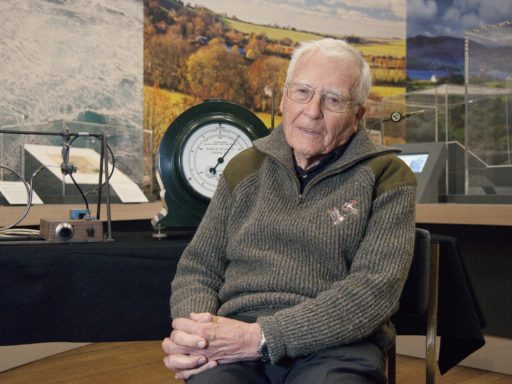
We pay tribute to scientist and inventor James Lovelock, who died yesterday, aged 103.
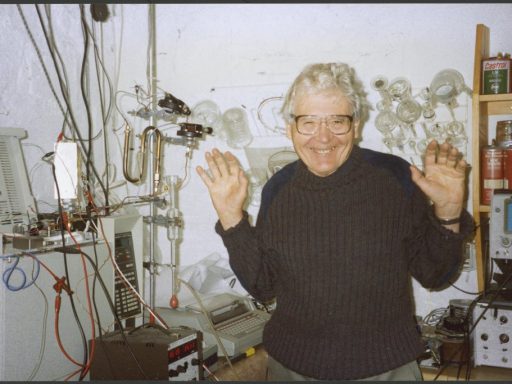
Today marks the 103rd birthday of the independent scientist-inventor, James Lovelock. Roger Highfield, Science Director, reflects on how his Gaia theory seems more relevant than ever in this era of rapid climate change.