Arsenic-laced omelettes. Chloral hydrate in the brandy. Cyanide in a wound dressing. Poisons are standard fare in classic ‘whodunits’, but just how easy was it to buy a lethal dose in the early twentieth century?
More people are talking about science than ever, but fewer know what to think about it, report Roger Highfield and Lauren Souter.
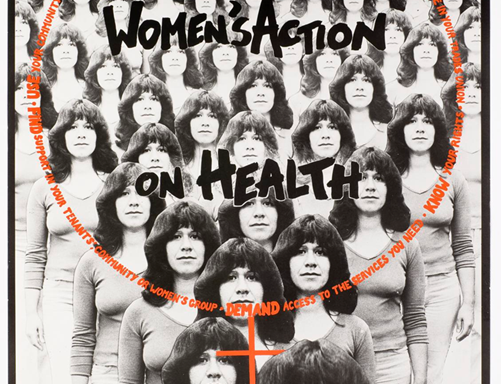
In this blog post series, Associate Curator Gabrielle Bryan-Quamina explores a unique series of posters created for the East London Health Project. In this post, Gabrielle speaks to artist Loraine Leeson about the ‘Women in Health’ posters she created for the East London Health Project and explores the history of the Women’s Health Movement in the UK.
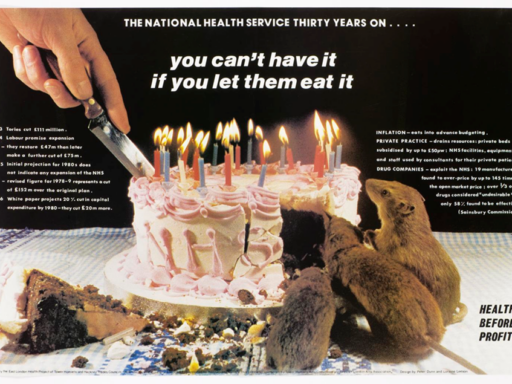
In this blog post series, Associate Curator Gabrielle Bryan-Quamina explores a unique series of protest posters held in the Science Museum Group Collection and speaks with artists Loraine Leeson and Peter Dunn about the East London Health Project.
Since its creation, the National Health Service (NHS) has inspired deep-rooted passion. An overwhelming majority of the UK population, across different social and economic backgrounds, support its founding principle that the NHS should be free of charge when you need to use it. In this blog post series, Associate Curator Gabrielle Bryan-Quamina explores a unique series of protest posters held in the Science Museum Group Collection and speaks with artists Loraine Leeson and Peter Dunn about the origins of the East London Health Project.
After McLaren‘s double victory this year in Formula 1, Curatorial Lead Laura Humphreys looks at their history of innovation in materials science through the collection.
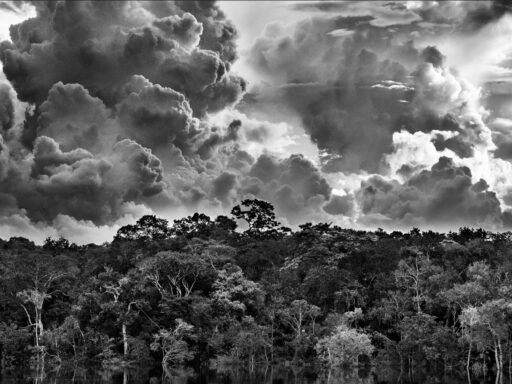
The climate-jamboree leaves the Amazon after much process but little progress, reports Science Director Roger Highfield
Former assistant curator trainee Jasmin Taylor explores how the history and unheard voices behind the undersea telegraph cable are replicated in modern communication technology.
The Science Museum Group’s acclaimed Cancer Revolution exhibition has crossed the Irish Sea to reveal the past, present and future of how cancer is prevented, detected and treated. Roger Highfield, Science Director, attended the launch in Dublin.
The new Longitude Prize aims to do what medicine has long struggled with: harness AI and global collaboration to unlock life-saving treatments for one of the most devastating diseases. Roger Highfield, Science Director and Longitude Committee member, reports.
A new study finds global warming could wipe out 24% of staple-crop calories—roughly equivalent to missing a meal, every day – by the end of this century, reports Science Director Roger Highfield.
For National Cycle Week, Charlie Southerton takes a look at some fascinating bicycles in the Science Museum Group Collection.