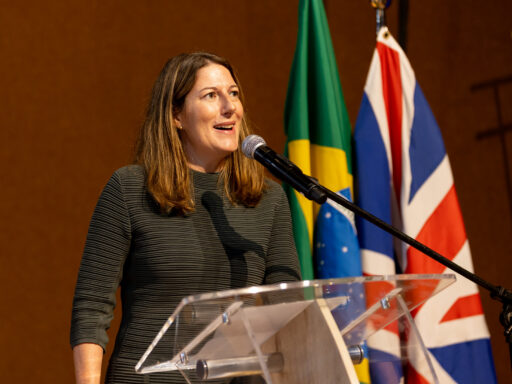
For World Neglected Tropical Diseases Day on 30 January, Roger Highfield talks to a diplomat and leading biomedical researcher about the importance of a new vaccine and why often-overlooked illnesses demand global attention.
For World Neglected Tropical Diseases Day on 30 January, Roger Highfield talks to a diplomat and leading biomedical researcher about the importance of a new vaccine and why often-overlooked illnesses demand global attention.

Arsenic-laced omelettes. Chloral hydrate in the brandy. Cyanide in a wound dressing. Poisons are standard fare in classic ‘whodunits’, but just how easy was it to buy a lethal dose in the early twentieth century?
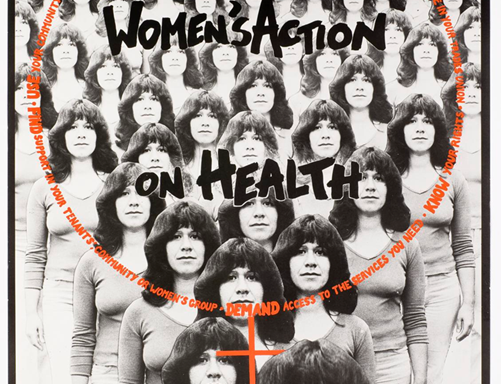
In this blog post series, Associate Curator Gabrielle Bryan-Quamina explores a unique series of posters created for the East London Health Project. In this post, Gabrielle speaks to artist Loraine Leeson about the ‘Women in Health’ posters she created for the East London Health Project and explores the history of the Women’s Health Movement in the UK.
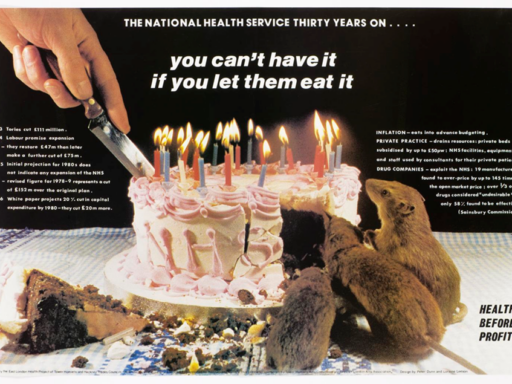
In this blog post series, Associate Curator Gabrielle Bryan-Quamina explores a unique series of protest posters held in the Science Museum Group Collection and speaks with artists Loraine Leeson and Peter Dunn about the East London Health Project.
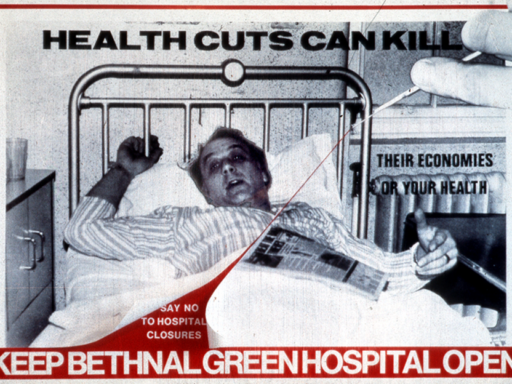
Since its creation, the National Health Service (NHS) has inspired deep-rooted passion. An overwhelming majority of the UK population, across different social and economic backgrounds, support its founding principle that the NHS should be free of charge when you need to use it. In this blog post series, Associate Curator Gabrielle Bryan-Quamina explores a unique series of protest posters held in the Science Museum Group Collection and speaks with artists Loraine Leeson and Peter Dunn about the origins of the East London Health Project.
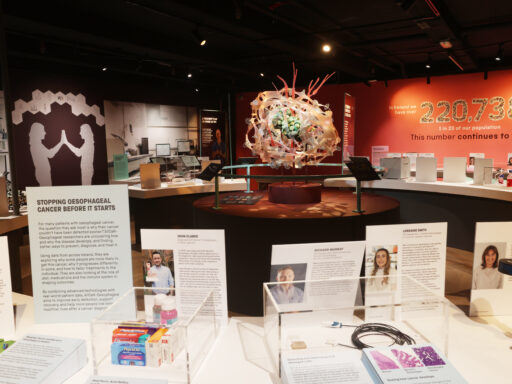
The Science Museum Group’s acclaimed Cancer Revolution exhibition has crossed the Irish Sea to reveal the past, present and future of how cancer is prevented, detected and treated. Roger Highfield, Science Director, attended the launch in Dublin.
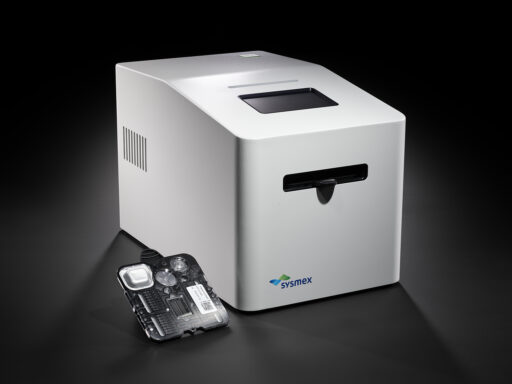
The new Longitude Prize aims to do what medicine has long struggled with: harness AI and global collaboration to unlock life-saving treatments for one of the most devastating diseases. Roger Highfield, Science Director and Longitude Committee member, reports.
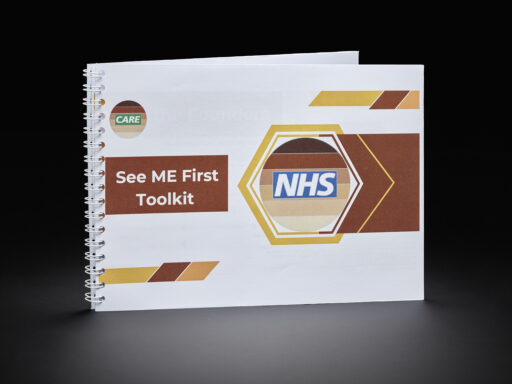
Organisations all over the world are looking at their workplaces and public services to ensure they are open and accessible to everyone. Curator in Clinical and Research Medicine Selina Hurley looks into how sometimes just three people can start something which will make a difference, even in an organisation as big as the NHS.

After a landmark regulatory approval, gene editing is now being trialled with children, reports Roger Highfield, Science Director.
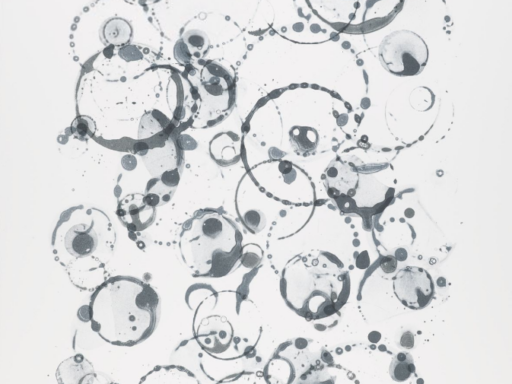
As the Science Museum Group Collection acquires a new print by Rachel Whiteread DBE, Anna Ferrari, Curator of Art and Visual Culture at the Science Museum, explores how two artists evoke COVID-19 and the pandemic.
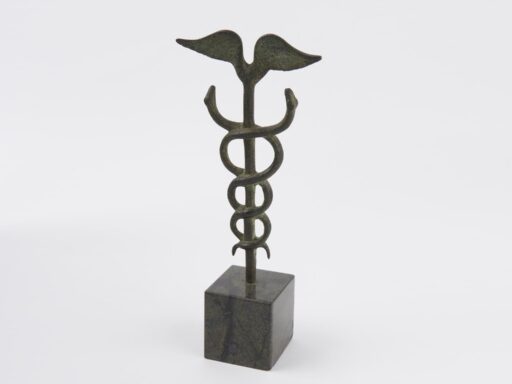
A common emblem for medicine depicts one or two snakes coiling up a staff. This symbol, often referred to as a ‘caduceus’, has been frequently used as a pharmacy or healthcare company crest. However, the term ‘caduceus’ has a distinct meaning and historically has been confused with the real first medical symbol: the ‘Rod of Asclepius’.
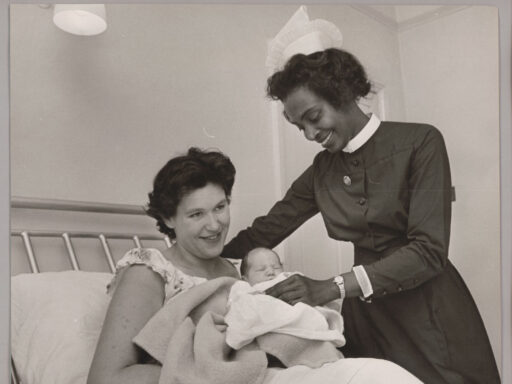
On this day in 1948 – just 13 days before the National Health Service was established – the Empire Windrush ship arrived at Tilbury Docks in Essex with 429 Caribbean migrants aboard. In this blog post Trainee Assistant Digital Curator Rachael Simoes explores the integral role Caribbean nurses have played in the NHS over the past 75 years.