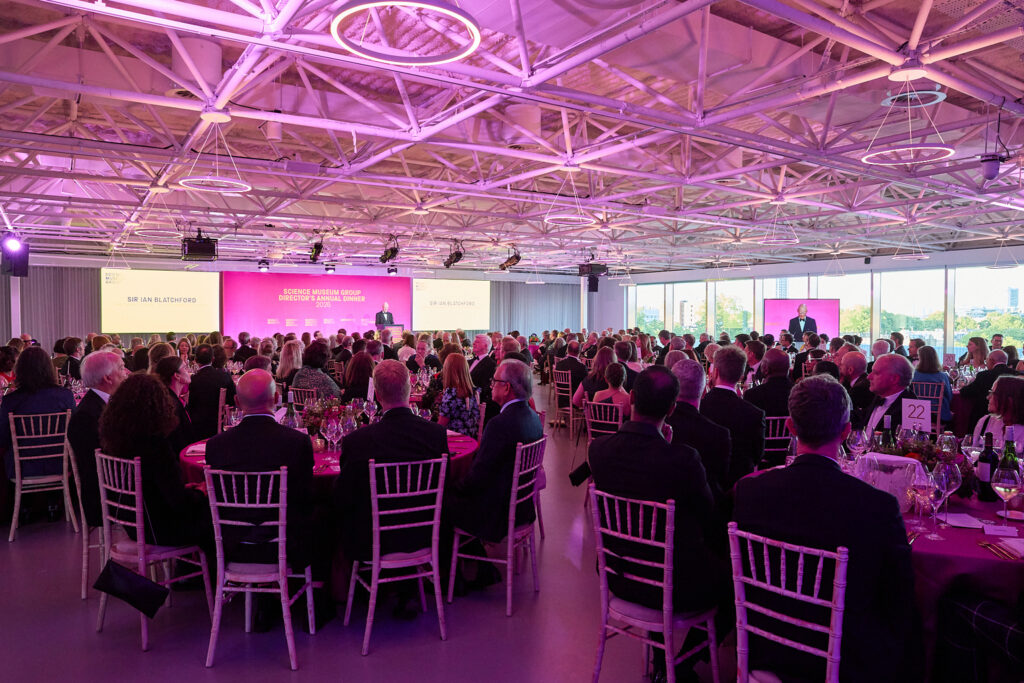
This week’s Annual Dinner was an opportunity to reflect on a remarkable year for the Science Museum Group and thank the many individuals and organisations who generously support our mission, including enabling the creation of free and inspiring new spaces to engage with science and technology across our five museums. In the past 12 months, this includes the reopening of the multisensory Power Hall: The Andrew Law Gallery at the Science and Industry Museum in Manchester, the interactive new Sound and Vision galleries at the National Science and Media Museum in Bradford, the stunning Space gallery at the Science Museum in London and the reimagining of Station Hall at the National Railway Museum in York.
Guests at the 2026 Annual Dinner heard from guest speaker Dr Soumya Swaminathan, a paediatrician and pioneering leader in global health, who has shaped international policy on infectious diseases, vaccines, and pandemic preparedness.
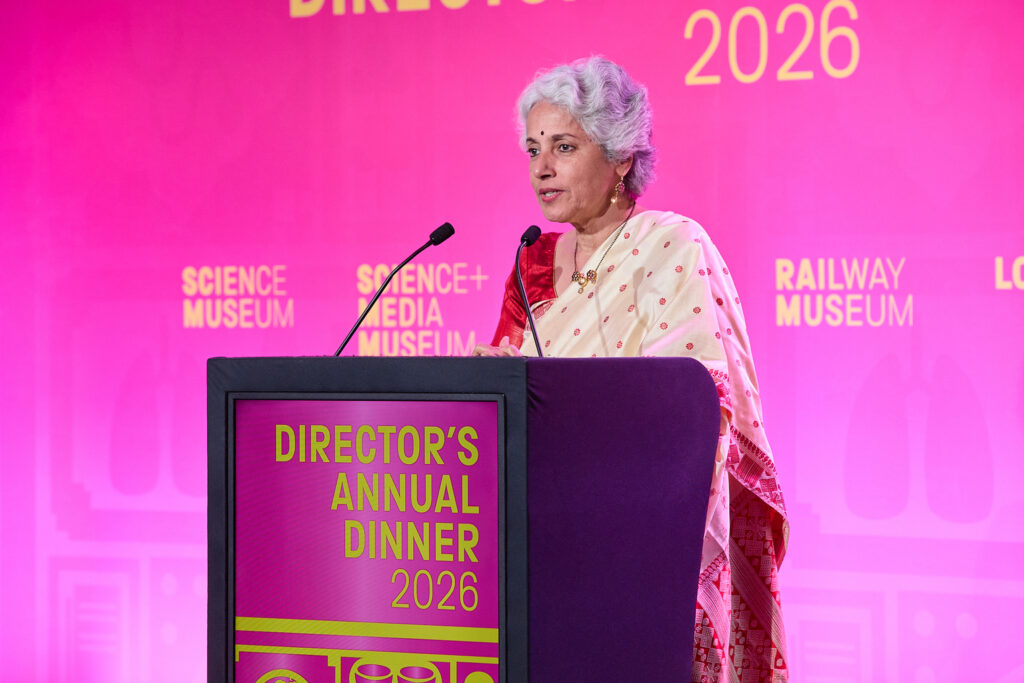
Dr Swaminathan has dedicated her career to addressing some of the world’s most urgent health challenges, from tuberculosis and HIV to strengthening health systems. She was the first Chief Scientist at the World Health Organisation, where she played a pivotal role in coordinating the global scientific response to the COVID-19 pandemic.
Sharing more about the dangers posed by extreme heat and how these risks may be mitigated, Dr Swaminathan spoke about the global impact of this deadly climate hazard. She noted how around 4 billion people experienced at least 30 additional days of extreme heat in 2024-25 due to climate change, and highlighted evidence that shows extreme heat is a growing public health risk in countries like the UK. She discussed potential solutions to these challenges that support both people and the planet, highlighting the use of passive and low-energy cooling technologies, some of which have been traditionally used for centuries, and by greening urban infrastructure. Dr Swaminathan ended her speech by sharing more about Bio-happiness, a term coined by her father, Prof M.S. Swaminathan, to describe a state of wellbeing and fulfilment arises from using biodiversity to enhance human health, nutrition, and livelihoods, creating harmony between people and the natural world.
Each year the Science Museum Group awards Fellowships to individuals who have made a major contribution to science, philanthropy or the history of science. Previous recipients include numerous Nobel prize winners, astronauts and Sir David Attenborough.
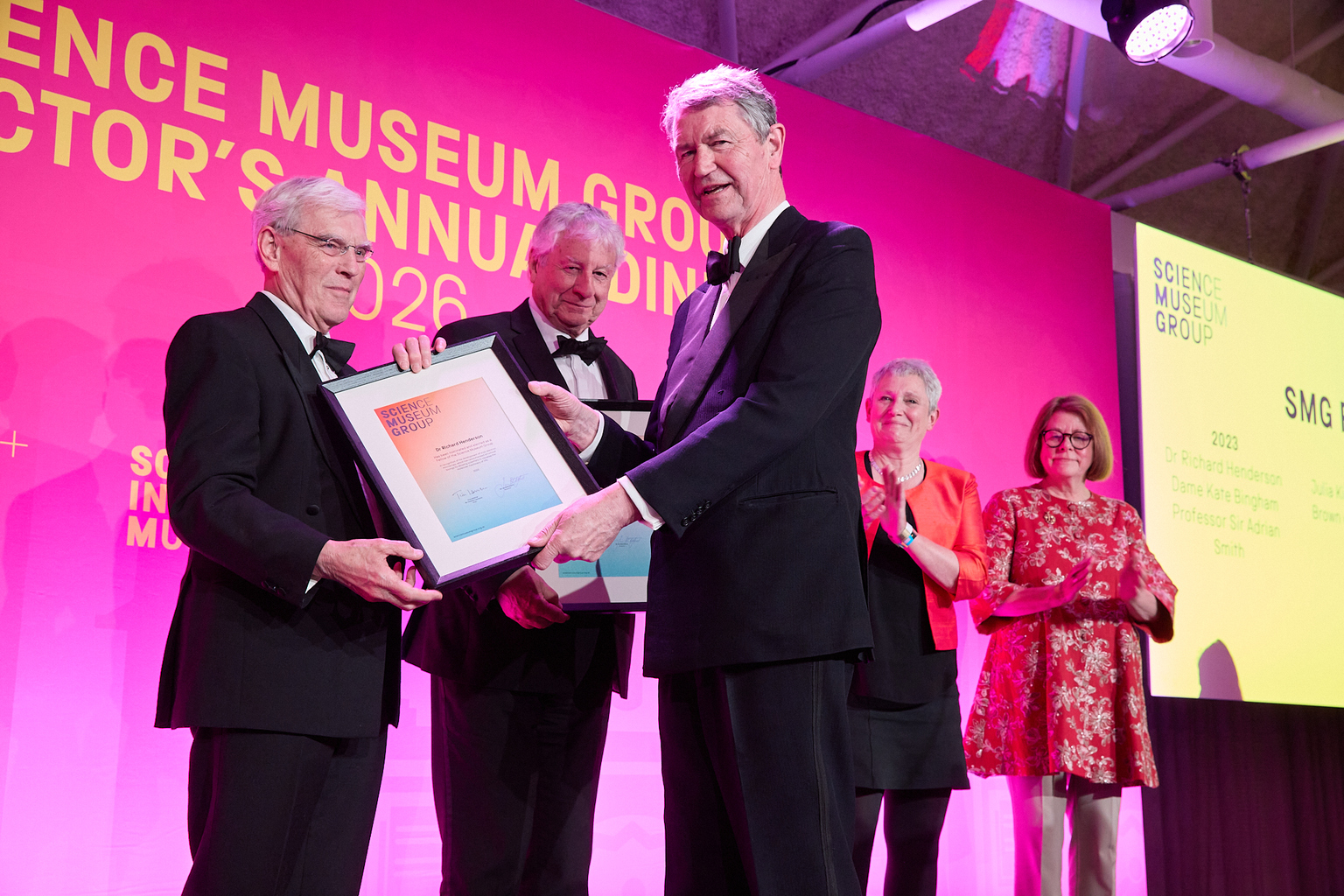
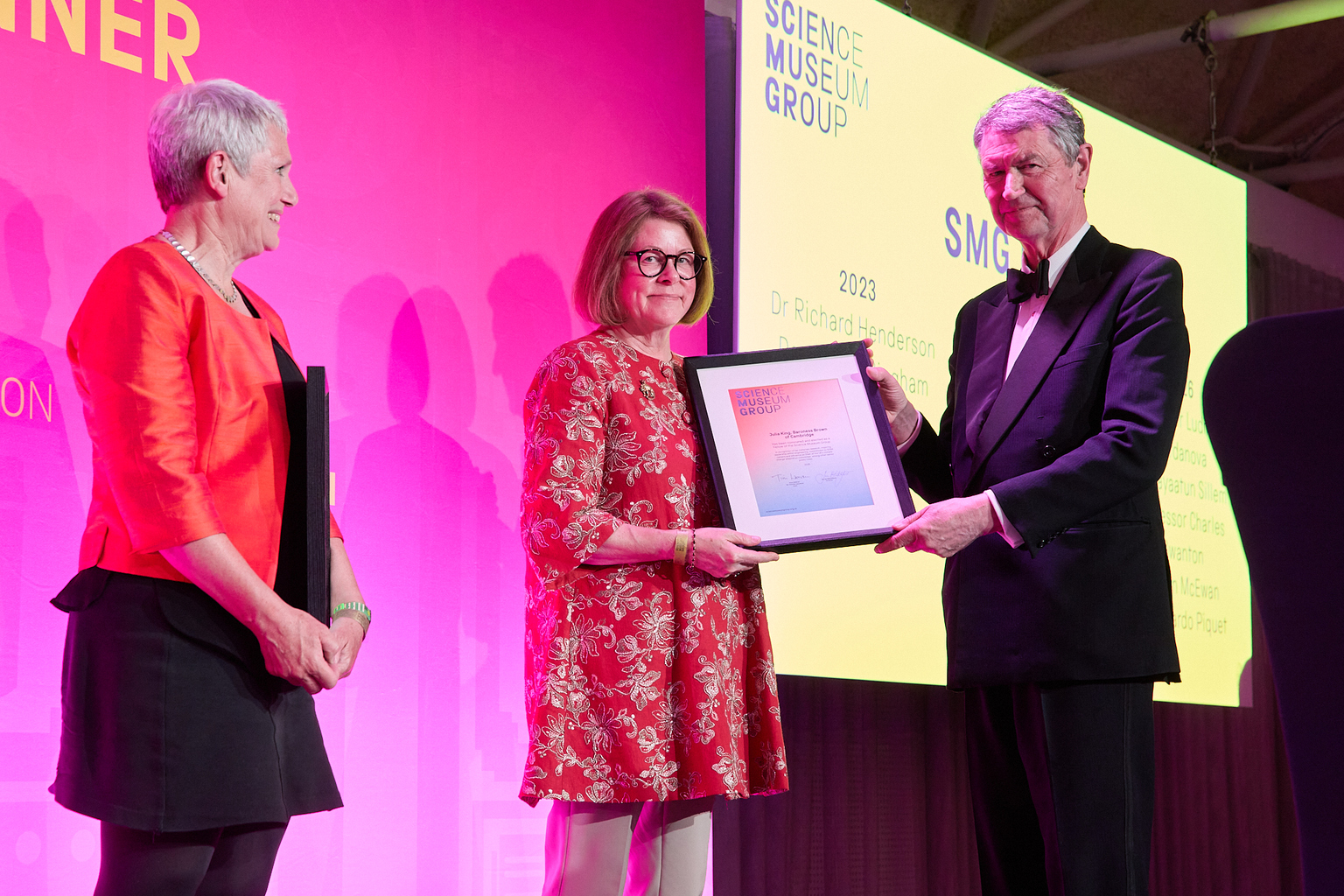
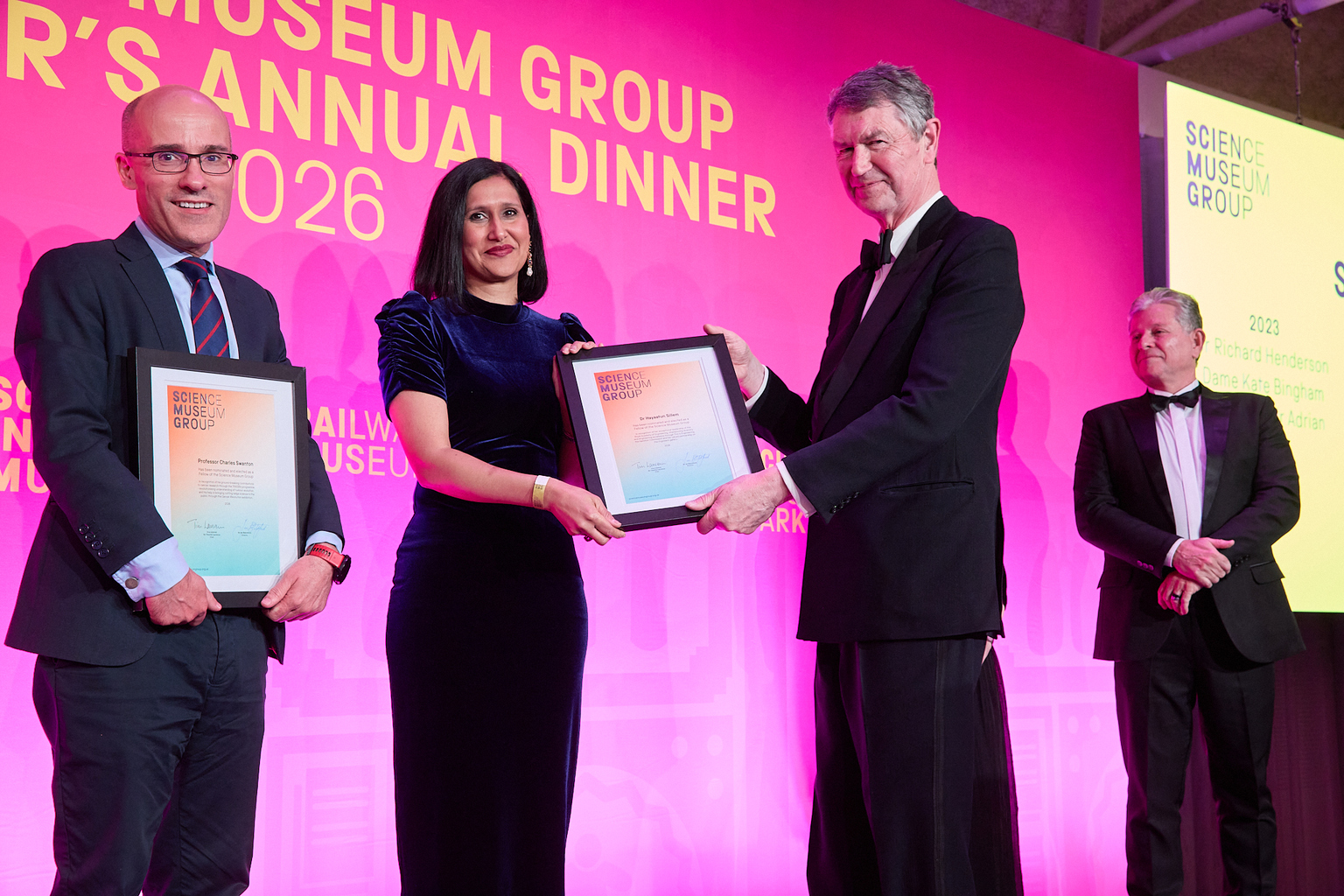
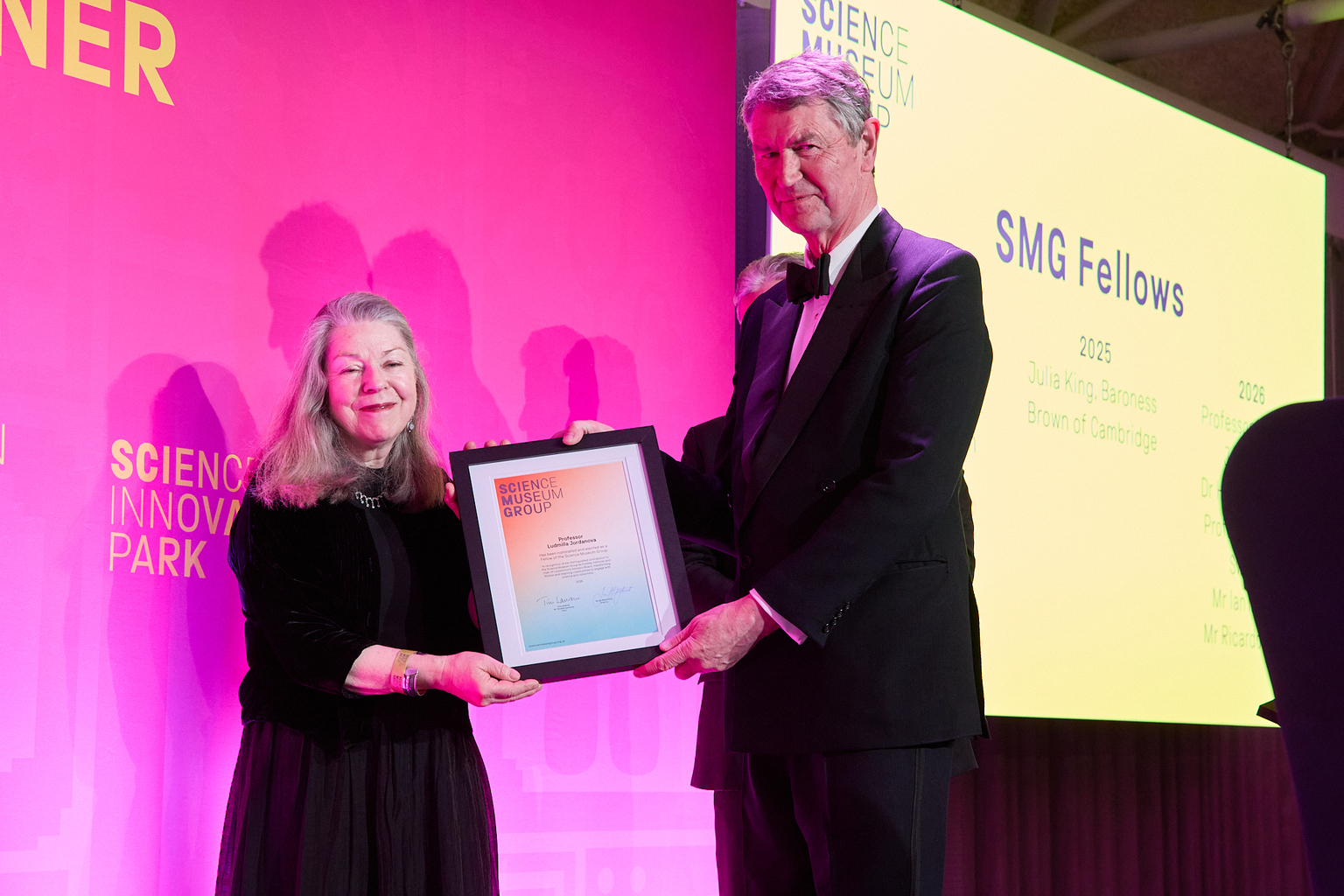
At the Annual Dinner, several distinguished individuals were presented with Fellowships by Sir Tim Laurence, Chair of Trustees of the Science Museum Group.
Four Fellows collected Fellowships which had been awarded in previous years, including:
Dame Kate Bingham, in recognition of her work chairing the UK Government’s COVID-19 Vaccine Taskforce to steer the rapid procurement and deployment of vaccines and for the invaluable assistance she provided for our Injecting Hope exhibition, which was seen by millions as it simultaneously toured venues in China, India and the UK.
Dr Richard Henderson, in recognition of his development of cryo-electron microscopy, which has revolutionised structural biology by allowing scientists to visualise the molecular machinery of life.
Julia King, Baroness Brown of Cambridge, in recognition of her materials research, inspiring leadership within engineering, commitment to STEM careers and role as chair of the Climate Change Adaptation Committee.
Professor Sir Adrian Smith, in recognition of his contributions to statistics and roles as President of the Royal Society, Chief Executive of the Alan Turing Institute and Chair of the Diamond Light Source.
A further four individuals were recipients of the 2026 Fellowships:
Ricardo Piquet, in recognition of his visionary leadership of Brazil’s Museum of Tomorrow, inspiring solutions to climate change through dialogue and innovation, and pioneering partnership with our museums.
Dr Hayaatun Sillem, in recognition of her exceptional leadership of the Royal Academy of Engineering, championing diversity and engineering excellence through This is Engineering, the Hamilton Commission, and her valued partnership on the Engineers Gallery.
Professor Ludmilla Jordanova, in recognition of her distinguished contribution to the Science Museum Group as a trustee, historian and chair of Locomotion’s Advisory Board, helping communities to engage with science and collections.
Professor Charles Swanton, in recognition of his groundbreaking contributions to cancer research through the TRACERx programme, revolutionising understanding of tumour evolution, and helping to bring cutting-edge science to the public through the Group’s Cancer Revolution exhibition.
If you are interested in supporting our museums and mission, please visit our website to find out more.