Climate change may accelerate the disappearance of millennia of Indigenous knowledge tied to the plants people use for food, medicine, construction and cultural traditions. Roger Highfield, Science Director, reports on a study published today.
By the end of this century, Indigenous communities across Amazonia could lose around a third of the native plant species on which they depend. At the same time, the disappearance of their languages threatens to erase a quarter of the region’s documented knowledge of those plants. Together, the losses threaten one of the world’s richest stores of biological and cultural diversity.
The findings, reported by a team today at the University of Zurich, matter far beyond Amazonia. The region contains more than ten per cent of Earth’s biodiversity, is home more than 400 indigenous groups, and is considered a global tipping point, where small changes can trigger abrupt and sweeping shifts in the global climate system
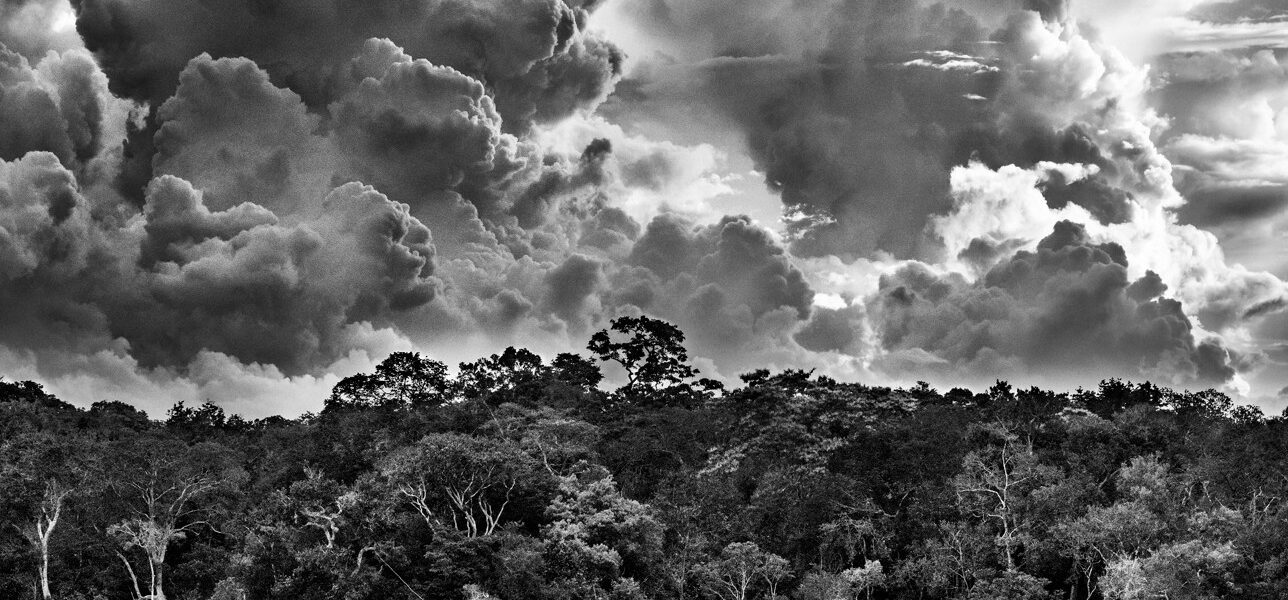
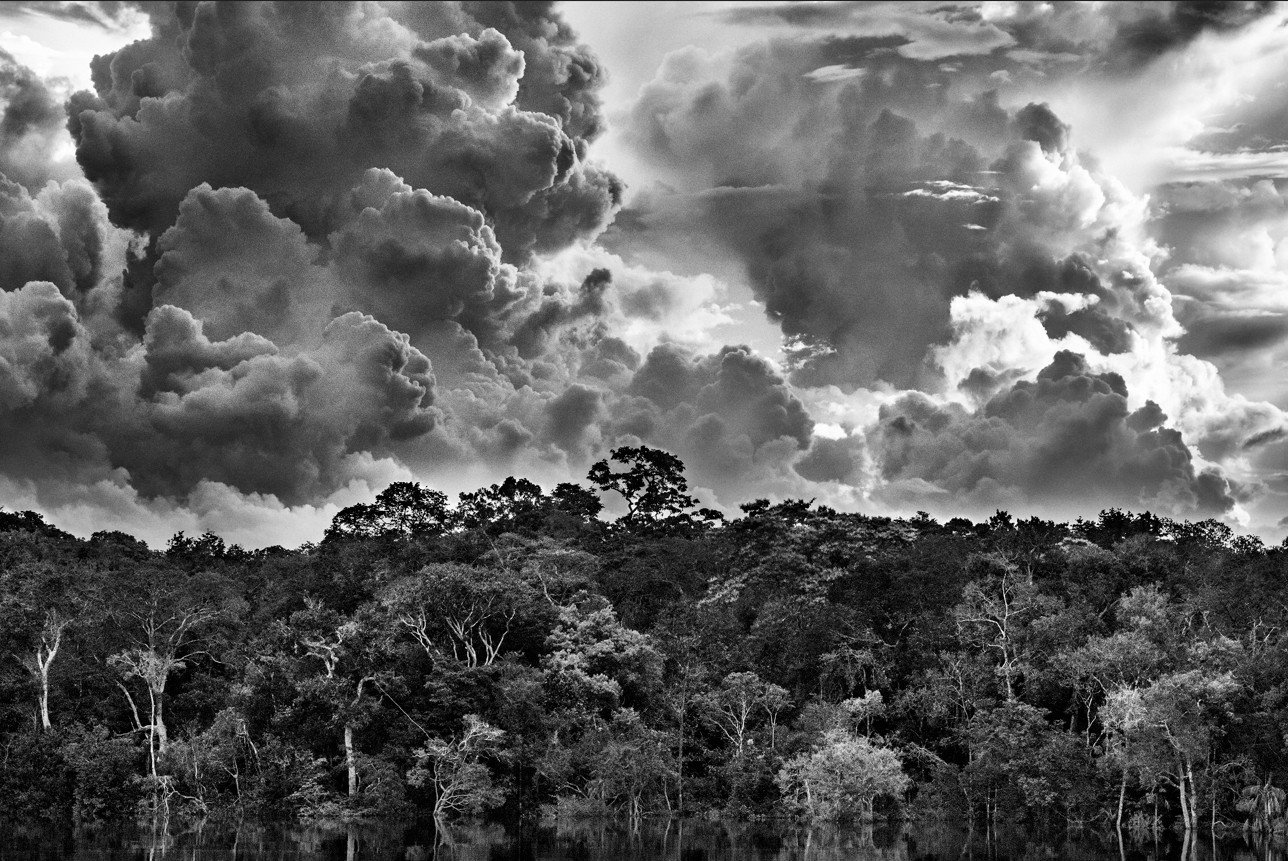
The people of Amazonia, celebrated recently in the Science Museum by the Amazônia exhibition by renowned photographer Sebastião Salgado, and in the online exhibition Vanishing Amazon, pass on their knowledge of the flora primarily through word of mouth, usually from parents or other family members to their children.
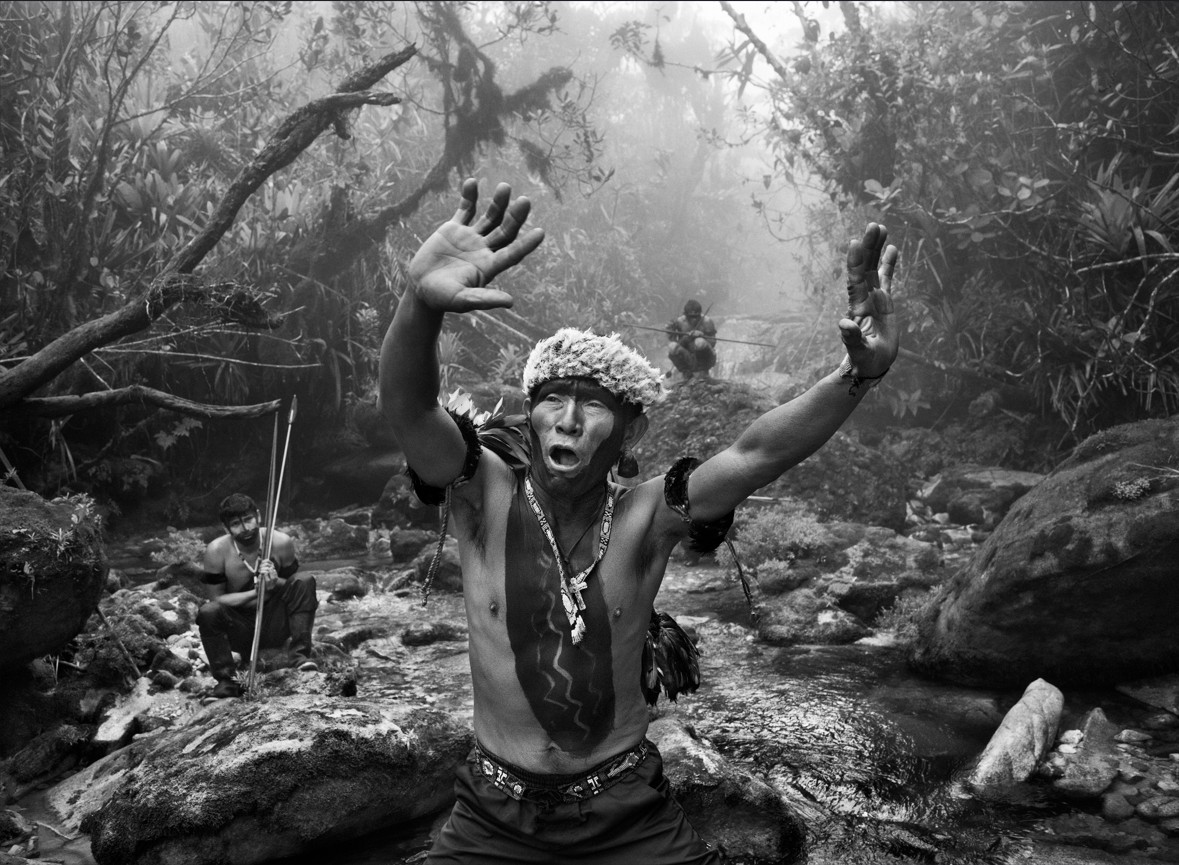
Plants underpin their societies in many ways: as food, including legumes, peach palms, patauá oil and much more, in cultural practices such as communal customs or hunting, in construction, and as medicine. The challenge, the researchers argue, is not merely to save species, but to preserve the knowledge systems that allow people to understand and use them.
Until now, little was known about how this ‘living library’ of knowledge is affected by the combined effects of climate change and language loss. A study in the journal Nature led by Prof Rodrigo Cámara Leret of the University of Zurich now provides the first comprehensive assessment of how climate change and language loss could reshape Amazonia’s biocultural heritage.
He worked on the study with Zurich colleague Prof Jordi Bascompte and Mr Patrick Roehrdanz, director of climate change and biodiversity in Conservation International’s Moore Center for Science, in the US.
Mr Roehrdanz said that documenting the risks – such as mapping species ranges and how they might be affected by climate change – is an important step towards protecting this precious resource.
The researchers assembled the most comprehensive database yet compiled of Amazonian plant use, bringing together more than 90,000 records from Brazil, Peru, Colombia, Bolivia, Ecuador, Venezuela, Guyana, Suriname and French Guiana.
‘We synthesized information dispersed across 700 references spanning more than 500 years, revealing that Amazonian peoples use at least one-third of the region’s known plant species, that is around 5,800 plant species,’ said Prof Cámara Leret. ‘Seeing these maps of species richness emerge from the modelling workflow was super exciting,’ added Mr Roehrdanz.
The documented uses of plants ranged widely, from remedies for coughs and treatments linked to fertility, to substances used to stun fish and even compounds derived from bark and leaves for euthanasia.
Most important, it paints a stark picture of a double extinction. Climate change threatens not only the forest’s plants but also the accumulated knowledge of generations who have lived among them: Amazonia risks losing both its biodiversity and its memory.
One-third fewer Useful Plants
In the second phase of the study, the researchers fed the plant-use data into 8,429 species distribution models and simulated the future of these plants based on three climate scenarios from the Intergovernmental Panel on Climate Change, IPCC.
Their analysis suggests that the plants most valuable to people may be among those hardest hit by climate change. Between 2060 and 2080, the geographic ranges of useful plant species are projected to shrink more than those of plants not used by humans.
As a result, Indigenous communities could lose between 28% and 34% of the plant species they use, together with 18% to 23% of the ecosystem services those species provide.
A quarter of the Living Library could Vanish
By focusing on plants used by people, the researchers were able to combine the effects of species loss with language extinction. The study quantifies for the first time the extent to which the biocultural heritage of the Amazon region is expected to diminish as a result of species and language extinction from 2060 to 2080: by 26 percent.
‘This 26% refers to those uses that are known by cultures whose language is threatened. And most of those uses belong to plants that are used for medicine,’ said Prof Cámara Leret. ‘About 46% of that 26% belongs to services related to medicine.
There’s another significant percentage of uses related to animal food… it relates to people’s observations of what other non-human animals consume in the forest, understanding the monkeys that eat certain fruits for example.’
‘It turns out that the plants that Indigenous communities rely on could be decimated more severely than previously thought,’ said Prof Cámara Leret. ‘Our results also suggest that the climate tipping point for Amazonia will not only impact biological diversity but also interact with language threat and cascade across the unique cultural heritage of the biome.’
How to restore the Amazon
This analysis excludes deforestation, wildfire, mining and other pressures.
‘Combined deforestation and climate change, certainly the picture would be worse,’ said Prof Cámara Leret, adding that where deforestation often erodes the forest from its margins, climate change threatens to alter conditions across the entire basin.
The study’s findings, together with the publicly available dataset, may serve to guide biocultural restoration in the Amazon, according to Prof Cámara Leret. Among those measures would be to promote more ‘ecological corridors’ between animals and plants to help reverse the 18 per cent of degraded lands in the Amazon.
However, he said that organised crime is a serious problem in indigenous territories and if governments are unable to protect the rights of indigenous people, other measures ‘will be futile.’
There are fears that deforestation and climate change could push the Amazon past a ‘tipping point’ – when the rainforest becomes so fragile that a tiny disturbance could trigger an abrupt and irreversible shift to a grassy savannah or a degraded state in a decade or two, with consequences extending far beyond South America.