There is a long history of innovation in medicine in Wales.
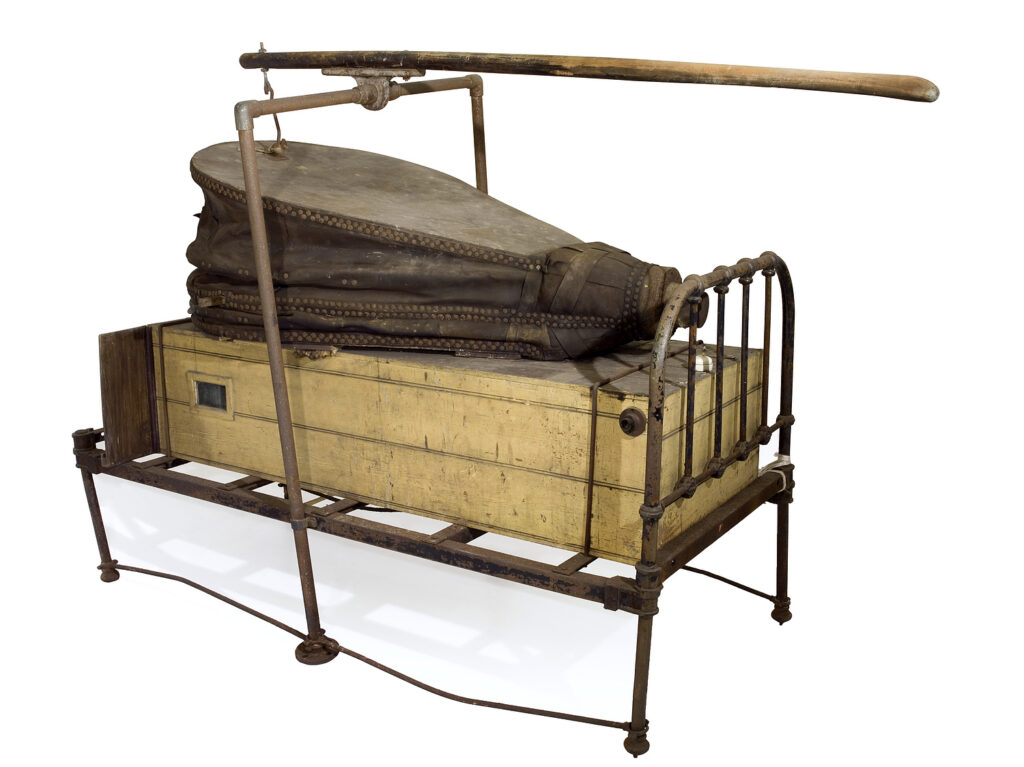
One early example in our medicine collections is an unusual iron lung. An iron lung, or negative pressure ventilator, helps patients to breath when suffering from chest paralysis, particularly in treatment of polio: this deadly virus could paralyse chest muscles, making it impossible to breathe unaided.
Worried about his inability to treat patients presenting with polio-related breathing problems, Dr G Emrys Harries, Medical Superintendent of the City Isolation hospital in Cardiff, developed a wooden iron lung in the late 1930s. this example required no electricity to operate, unlike later models, and was hand built by hospital engineers.
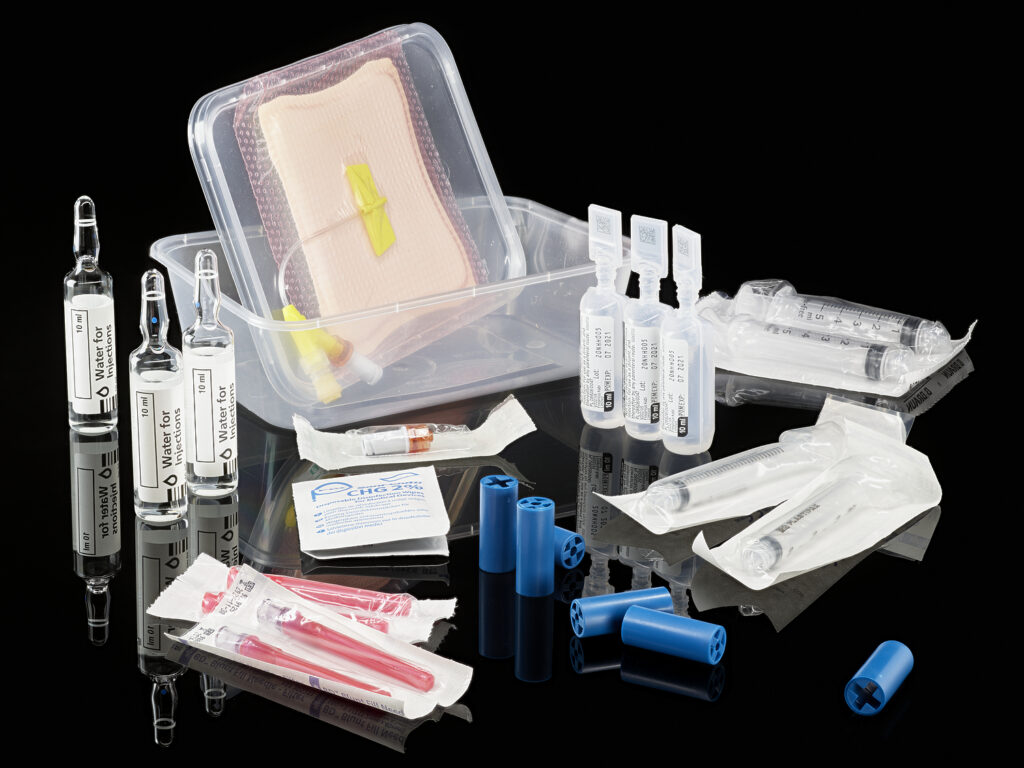
In more recent medical innovations, the CARiAD research team at Bangor University developed in 2020 an injection training pack and associated resources for carers of people with terminal illnesses in their last days of life at home. Their research established that this was a safe and low-risk practice which allowed treatment of symptoms to happen quickly and effectively.
During the COVID-19 pandemic, this became standard practice in many areas to limit the need for visiting healthcare workers to enter multiple homes. CARiAD stands for CARer-ADministrated, a play on the Welsh word “cariad,” meaning “love”, and referencing how this care is often provided by close family members in a person’s final days.
Wales has also long been an important centre of manufacturing. The international domestic appliance company, Hoover, built one of its major factories in Pentrebach, Merthyr Tydfil, in 1948. Part of an important programme of post-war redevelopment, the factory opened to great fanfare and employed 5,000 people at its height.
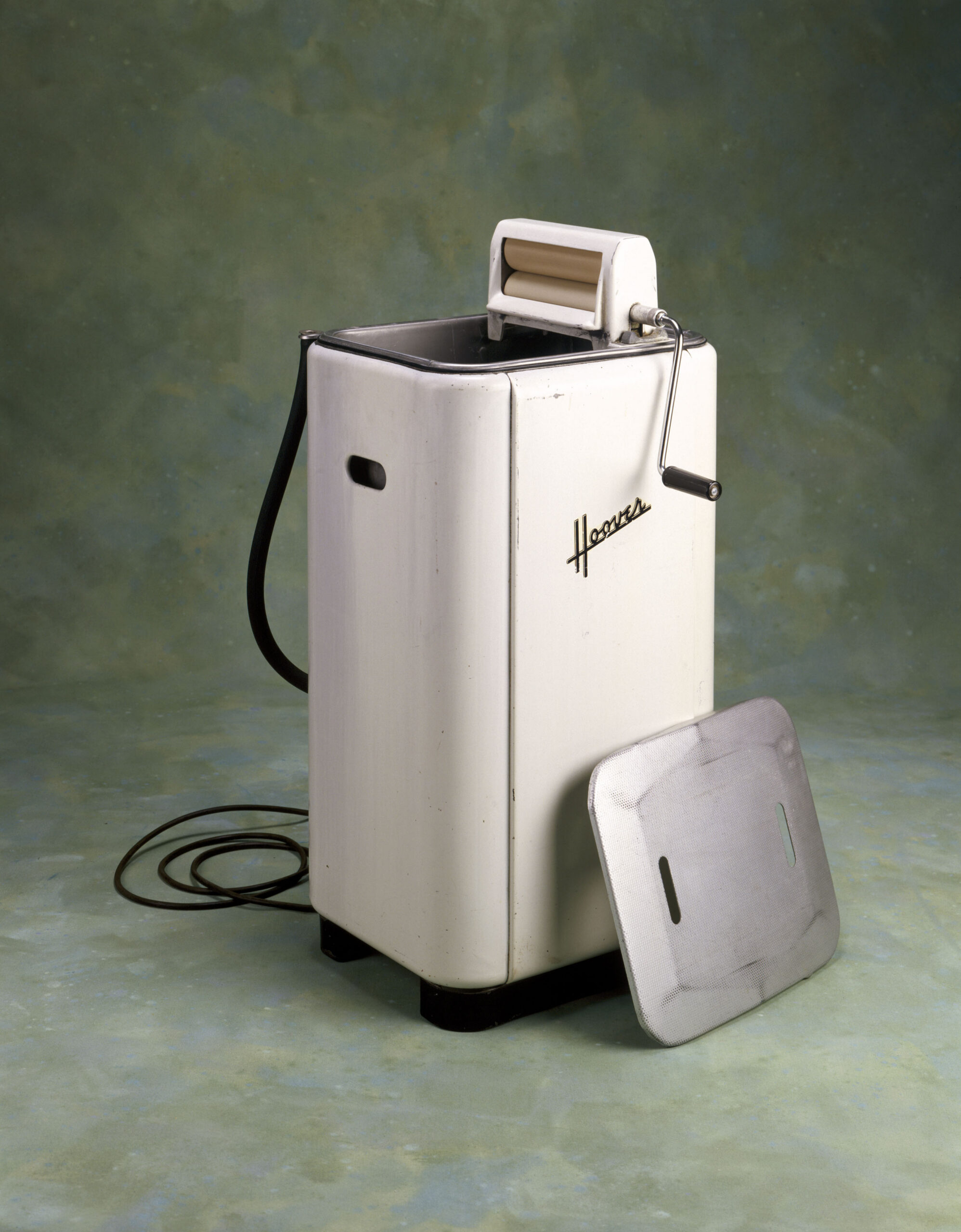
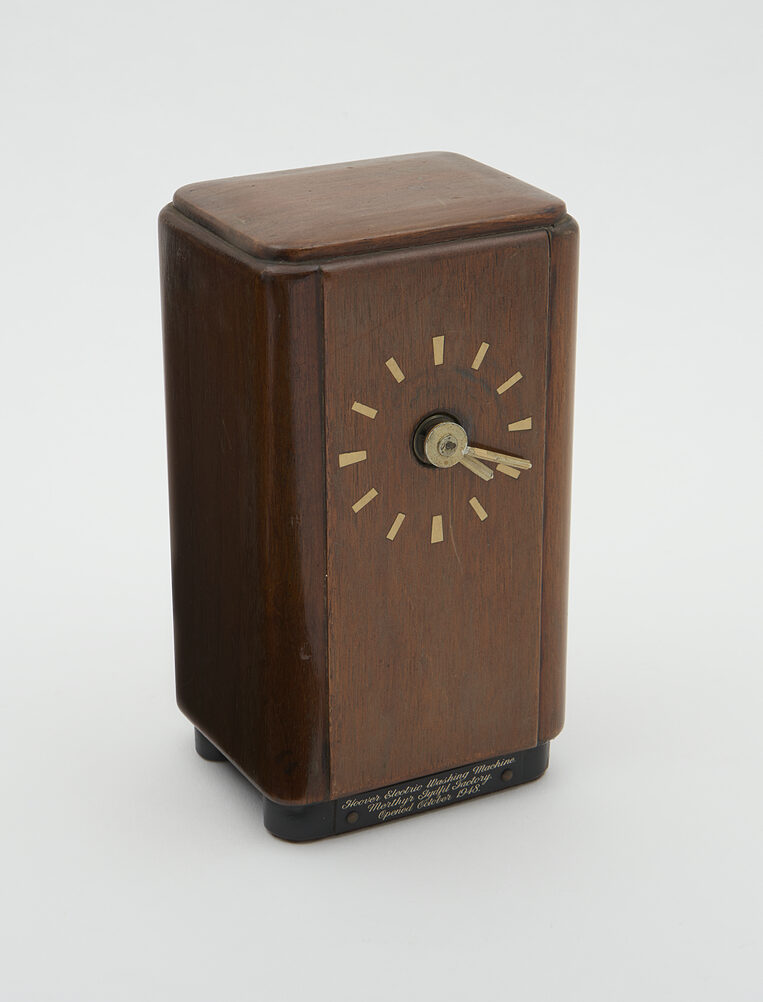
The main product of the factory was washing machines: the Hoover MK1 washing machine with mangle was an early example of a widely available and affordable home electrical appliance. In celebration of the factory’s opening, Clocks in the shape of the Hoover MK1 were given out to all staff.
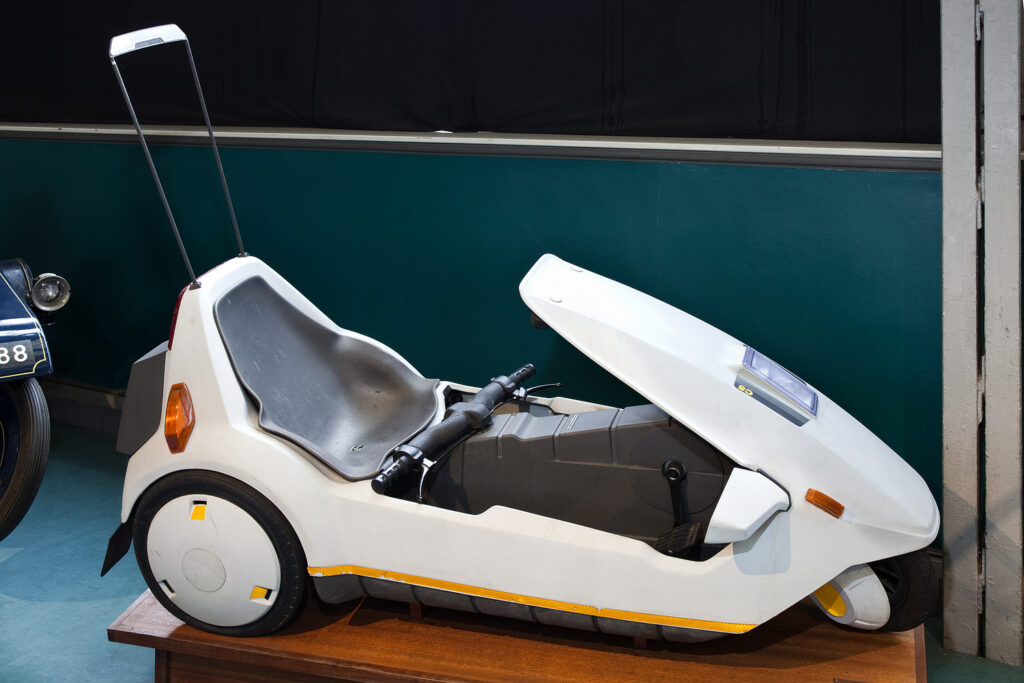
By the 1980s, the factory was producing other goods, including the electric vehicle the Sinclair C5.
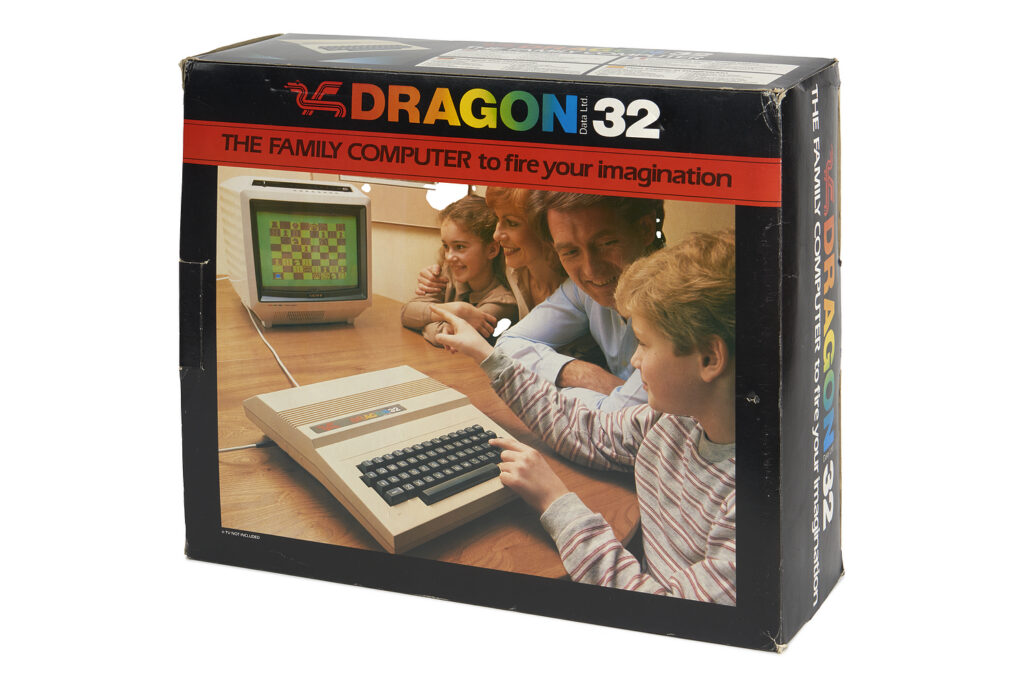
Wales was also an early player in at-home computing and video gaming. Starting in Swansea before moving to Port Talbot, Dragon Data Ltd. produced the Dragon 32 and Dragon 64 home computing systems in the early 1980s, and classic games such as Ghost Attack and Starship Chameleon were sold in boxes proudly displaying the stylized Welsh dragon of the company’s logo.
Unfortunately, Dragon Data did not last, being outstripped by the more powerful ZX spectrum and BBC Micro. However, Dragon computers were part of an important wave of UK-made hardware which made domestic computing accessible for a wider audience.
One of the most recent Welsh innovations in our collection has an impact that stretches further than Wales and the rest of the UK.
Named after King Arthur’s shield, the ‘Pridwen’ satellite heat shield prototype comes from SpaceForge, a Cardiff-based space manufacturing company. Space Forge builds satellites which will be capable of fabricating semiconductors and metal alloys in space, and Pridwen is designed to protect these very satellites on re-entry into the earth’s atmosphere.
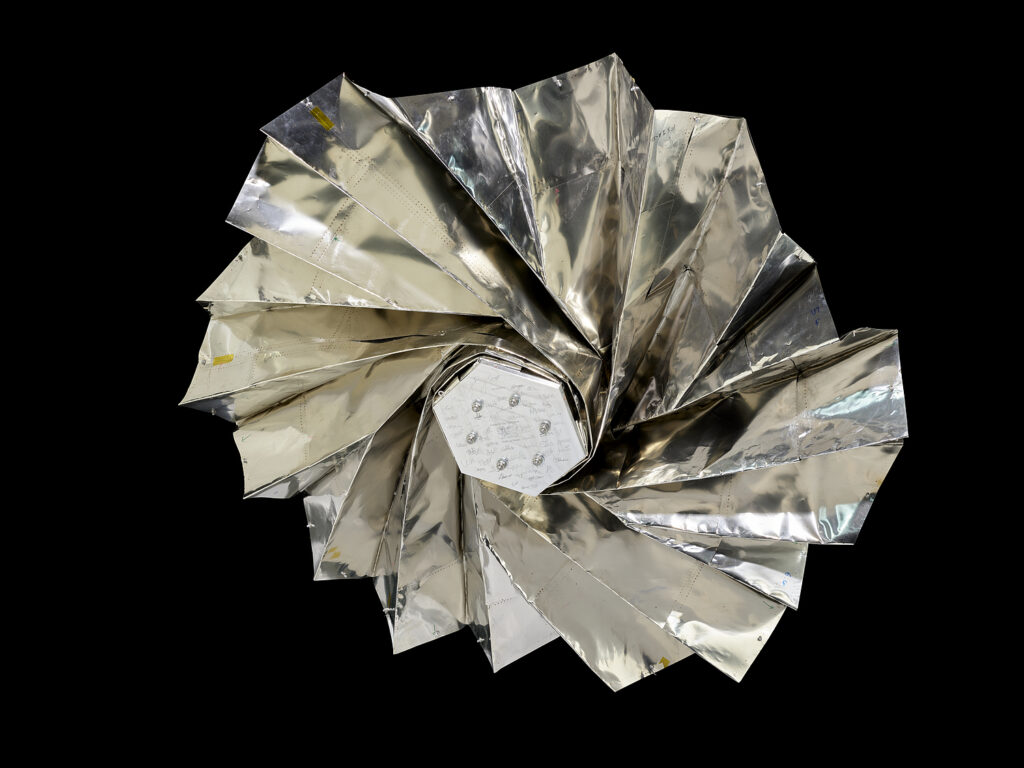
Importantly, and like the satellites themselves, Pridwen aims to increase the sustainability of space flight and cut space debris by being reusable.
You can see the heatshield prototype on display in the Science Museum’s Space gallery, and you can find more objects made in Wales on our online collection.
Dydd Gŵyl Dewi Hapus – Happy St David’s Day!